















Risks of Carbon Monoxide During Forklift Use
Carbon monoxide poisoning is one of the most serious risks of forklift operation because it is colourless, odourless, and difficult to detect even in high concentrations. CO is a toxic gas emitted by Liquefied Propane Gas (LPG) vehicles, which causes health issues including impaired vision, headaches and nausea over long periods of inhalation. So, what can be done to mitigate the harm this potentially fatal fume can do?

How do Forklifts Cause CO Poisoning?
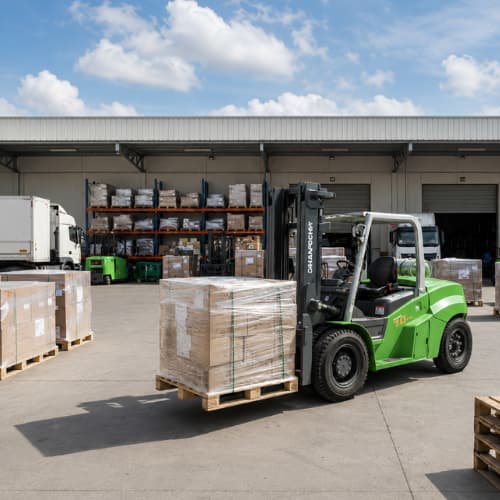
LPG forklifts can cause CO poisoning if the engine is poorly tuned or left running, the catalytic converter is cold, or worn components restrict airflow. Forklifts use these parts to balance the engine’s combustion, which is responsible for powering the truck and keeping CO expulsion controlled and predictable. CO builds up when the combustion process is incomplete or interfered with, affecting the ideal air-to-fuel ratio, which creates carbon monoxide. When the engine functions perfectly, oxygen is abundant. And the chemical byproduct is relatively harmless.
Why is it Important to Have Ventilation When Operating an LPG Forklift?
Continuous ventilation is vital when operating an LPG forklift because allowing the byproducts of the engine’s combustion to build up increases the chances of CO poisoning. Even though the gas expelled by correctly-running LPG forklifts is relatively harmless in small quantities, its accumulation can quickly become dangerous. In confined spaces, the exhaust gas has nowhere to go, so it doesn’t take long for its concentration to rise.

What are the Symptoms of Carbon Monoxide Poisoning?
At low exposure, employees may suffer headaches, dizziness, weakness, fatigue, confusion, shortness of breath and chest pain, similar to the flu. However, at high and prolonged exposure, carbon monoxide causes loss of judgment and coordination, seizures, loss of consciousness and even death. CO poisoning can cause permanent neurological and psychiatric symptoms, including memory loss and depression.
CO poisoning is detrimental because it interferes with the blood’s ability to carry oxygen. The carbon monoxide binds to the hemoglobin in the red blood cells, which starves the vital organs of the oxygen they need to function. This is why you must monitor the CO output of your LPG forklifts and implement faultless preventative measures.
How to Minimise the Risks of CO Poisoning During Forklift Use
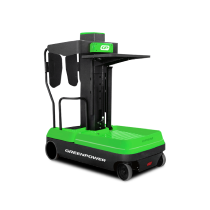
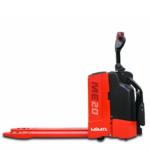
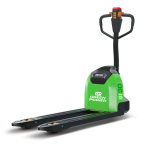
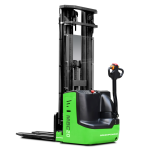
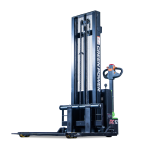
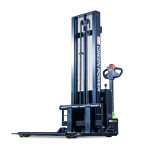
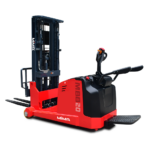
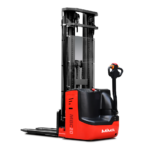
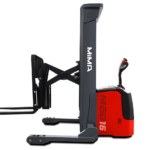
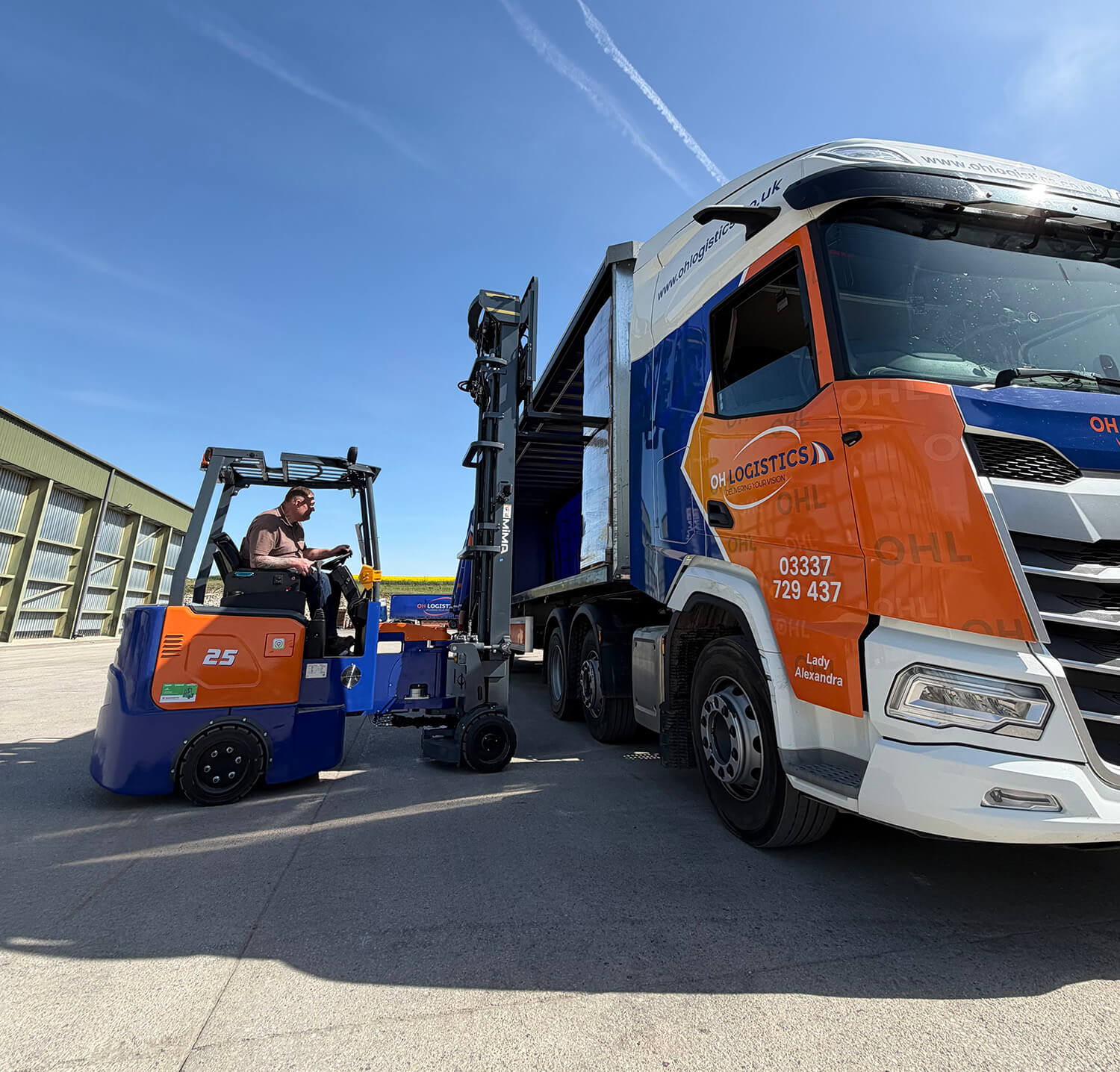
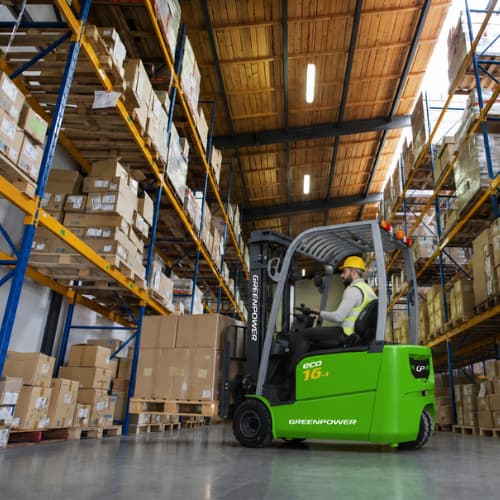
To minimise the risk of CO poisoning from forklifts in your facility, limit their indoor use, install robust ventilation controls and detectors, regularly maintain your truck, and, if possible, switch to electric. Electric forklifts do not expel carbon monoxide because they do not use internal combustion engines; instead, they use lead-acid and lithium-ion batteries for power. This makes them much cleaner and far more eco-conscious than older LPG forklifts. However, there are always alternative steps if the upfront cost of a fleet of electric forklifts is currently out of reach.
Replace Ageing Forklifts With Newer Models
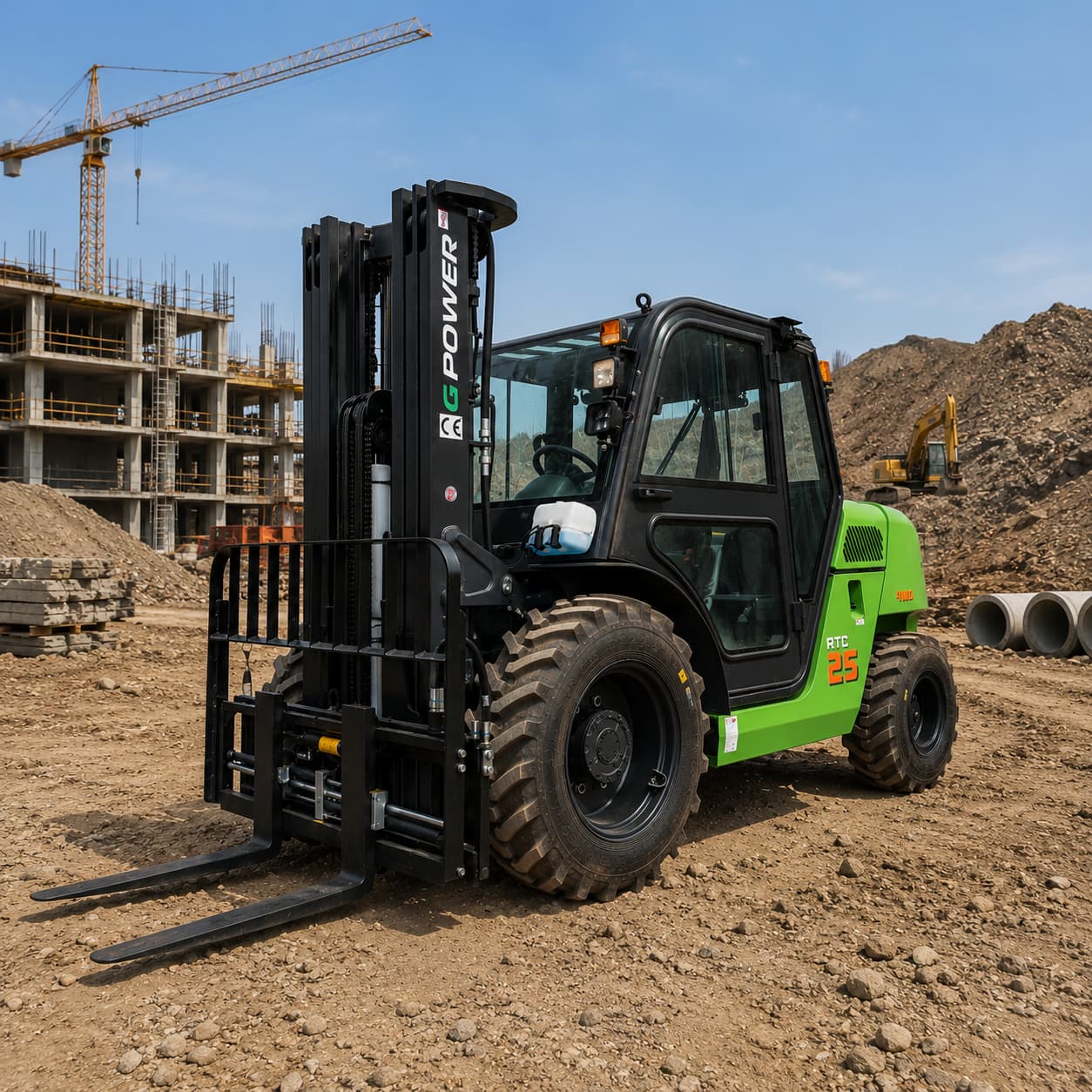
Older forklifts often produce significantly more CO than newer models, due to a combination of outdated technology and general wear and tear.
- Newer LPG forklifts include efficient catalytic converters to convert CO into less harmful gases, such as water vapour. However, older models may not include this technology or be compatible with modern, more accurate Engine Management Systems.
- Worn engine parts, including piston rings, valves and spark plugs, can cause engine compression, which results in incomplete combustion. The interruption of this process creates spikes in CO emissions, which can be as high as 10% concentration in poorly serviced LPG forklifts. Conversely, a new forklift can produce as little as 0.5% concentration.
Regularly Schedule Maintenance for Ageing LPG Forklifts
Regularly maintaining the key components responsible for CO production can help to minimise its concentration upon release by ensuring complete combustion. Some of the maintenance activities that can reduce the CO’s concentration include:
- Professional Tune-Ups to measure the CO concentration and adjust the fuel system.
- Spark Plug Replacement to ensure a strong, complete ignition and prevent misfiring.
- Air Filter Cleaning to remove clogs that restrict oxygen flow and stop the engine from running rich”.
- Engine Checks to secure the internal components and reduce CO-causing compression.
Catalytic Converter Checks to ensure that it converts the carbon monoxide into oxygen.
Install Multiple Ventilation Measures and CO Detectors
Using Dilution Ventilation and Local Exhaust Ventilation (LEV) in conjunction with smart CO detectors is the best way to control and monitor the concentration of CO in your facility. The roles of each are highly distinct, offering general and specific extraction coverage for when a forklift is mobile or stationary. Furthermore, a collection of smart carbon monoxide detectors will accurately measure the CO concentration throughout these multiple points of your warehouse.

How Does Dilution Ventilation Help Reduce Carbon Monoxide During Forklift Use?
Dilution ventilation systems introduce large volumes of fresh air from outside to mix with the indoor air. This thins the carbon monoxide layers, minimising its general concentration across the entire building. These systems use large fans and roof vents, which can be designed to automatically open once CO concentration surpasses the safe limit. Dilution ventilation systems are most effective when your LPG forklift is operational and moving throughout your facility.
How Do LEV Systems Help Reduce Carbon Monoxide During Forklift Use?
LEV systems target and capture the CO at the source, before it can spread. This is especially helpful when the forklift is stationary, particularly when idling for maintenance and tune-ups. An LEV system uses flexible, high-suction hoses connected directly to the truck’s exhaust pipe. This protects the engineer from the CO at its highest concentration and prevents it from dispersing.
Where are the Best Places to put CO Detectors in a Warehouse?
The best places to put CO detectors in a warehouse are travel zones, near loading bays and confined areas. You must purchase industrial-grade CO sensors, as standard home variations will not report accurate readings. You should also supply personnel working close to the forklifts’ exhausts with personal, portable CO monitors designed to sound alarms when the Short-Term Exposure Limit is breached. Some CO detectors can be connected to your ventilation systems, which automatically activate or increase the speed of the fans until the CO concentration decreases to a safe level.
Every CO detector you purchase and install should be tested in 6-month intervals.
Educate Your Operators on The Symptoms of CO Poisoning
Keeping your workers informed about the risks of carbon monoxide and the associated poisoning symptoms can lead to much faster detection. If even two employees express the same concerns, this is a cause for alarm. You can hold simple training seminars yourself, covering all aspects of CO and its risks, by creating a basic action plan:
- Explain what CO is, how it harms, and the symptoms of CO poisoning.
- Ensure employees know how to operate the ventilation and report on unusual behaviour of the forklift.
- Show the locations of the CO detectors and how the personal models work.
- Explain what to do in an emergency.
- Encourage your employees to discuss everything listed above and post signage for reference.
New and Used Electric Forklifts for Sale
Electric forklifts aren’t subject to any concerns over CO exposure and poisoning, running with zero emissions. So, maybe it’s time to make the switch?
Trucks Direct is the UK’s largest independent new and used forklift retailer, stocking cost-effective models from world-renowned brands. Every forklift we stock undergoes meticulous testing before being delivered directly to your door, accompanied by a 12-month LOLER certification, up to 2 years warranty and a 30-day money-back guarantee. Unbeatable customer service is our priority, so you can rest assured that you will receive complete transparency at every stage of purchasing your new forklift.
From Articulated to Heavy-Duty and Counterbalance to Multi-directional, Trucks Direct has the new or used electric forklift you seek. We restock daily, so if you miss the forklift you need, get in touch. Our sales team will gladly help by notifying you of the closest restock.
Choose Trucks Direct as your trusted supplier of new and used electric forklifts for sale.