





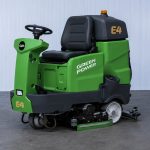
















Complete Guide to Floor Scrubber Maintenance
Floor scrubber maintenance involves daily, weekly, monthly and quarterly inspections to monitor the health of the scrubber’s components. Naturally, debris builds up in the machine’s tanks, brushes and blades, which can significantly affect the performance of your floor scrubber. So, you must regularly check these moving pieces and internal machinery parts to ensure your floor scrubber achieves its projected lifespan and avoid costly repairs.

Daily Floor Scrubber Maintenance Checklist
Daily floor scrubber maintenance checks should be done after every use. They are simple, but critical to manage debris build-up and protect key components from overworking and breaking down.
Empty and Rinse the Solution and Recovery Tanks
Your solution tank holds diluted cleaning chemicals. When allowed to settle, they can form a gel-like substance and residue and lose their antibacterial qualities. This new, thicker state can clog the floor scrubber’s internal pipes and nozzles, leading to uneven application of essentially useless solutions. Furthermore, leaving cleaning fluids in the solution tank for too long increases the chances of chemical cross-contamination, which could cause a reaction or reduce its effectiveness.
A floor scrubber’s recovery tank holds all the dirty water, grime, and debris cleaned from the floor. When left to sit, these elements create a foul, pungent smell, resulting from bacteria, mould, and mildew growth. This is then exhausted into the air when the machine is next in use, causing health concerns and the spread of foul smell. Smaller debris settles at the bottom of the tank, forming a thick sludge, which can clog the vacuum and drain hoses, reducing the suction power and leaving a wet, streaky floor.
To drain and rinse the solution and recovery tanks of your floor scrubber:
- Drain using the drain hose to completely empty both tanks.
- Rinse using a hose to spray the inside of both tanks with clean, fresh water.
- Inspect to ensure there is no leftover debris or blockages.
- Air-dry by opening the tank lids or caps to prevent mould and mildew.

Clean Brushes and Blades
Your brushes and blades accumulate more debris than almost any other part of your floor scrubber. This can significantly affect your machine’s ability to clean properly, possibly making more of a mess with water trails and spreading dirt. Furthermore, trapped debris within the brushes can become abrasive to the floor, scratching and damaging sensitive surfaces, including polished concrete and epoxy coatings.
To clean the brushes and blades adequately:
- Remove the brushes and blades.
- Rinse using a powerful spray nozzle to remove all loose debris.
- Inspect for worn bristles on the brush and for tears and cuts on the blades.
- Air-dry the components, while raised, to prevent warping or squashing.
Wipe Down the Machine
The chemicals expelled by a floor scrubber’s solution tank and the debris picked up by the brushes can flick back onto the exterior of your machine while in operation. Over time, this can corrode the surface of the floor scrubber and cause rusting, especially in the brush deck and the base of the machine. This could eventually lead to malfunctions in and around the electrical parts of your floor scrubber if dirt, water, and chemicals are allowed to build up.
Using gloves, wipe the affected surfaces with a damp cloth daily to keep on top of potentially detrimental build-up.

Charge the Batteries After Every Use
Prioritising complete charging cycles is one of the best ways to ensure your floor scrubber fulfils its projected lifespan. When you charge a floor scrubber in short bursts, you interrupt the charge cycle, generating excess heat and stressing the battery. In lead-acid batteries, opportunity charging causes sulfation. This is the generation of sulfate crystals that occurs when lead-acid batteries charge. These are usually dissolved at the end of a charging cycle. But when the cycle is disturbed, the crystals permanently harden, reducing the battery’s capacity and overall lifespan.
Ensure you set aside enough time between uses to fully charge your floor scrubber’s batteries, to prevent long-term damage.
.
Weekly Floor Scrubber Maintenance Checklist
Along with the daily checks, weekly floor scrubber maintenance requires checking and cleaning the filters, hoses, and connections. If your floor scrubber uses a wet-cell battery, you should also assess the battery’s water levels.
Check and Clean the Solution and Vacuum Filters
Even with daily tank cleaning, debris can still build up in the solution filters, restricting the flow of cleaning liquid to the brushes. This can cause dry streaks that warrant going back over the sections you have already done to ensure they are thoroughly cleaned. Furthermore, a clogged filter can cause pressure build-up that affects the wider components, such as the pump, hoses, and valves, which can cause a breakdown if not addressed quickly.
The vacuum filters require strong suction power to work effectively. Build-up of materials surrounding the vacuum filters severely restricts airflow, which can cause the system to overheat and fail.
To clean the solution and vacuum filters:
- Remove and inspect for any dirt, debris, or damage.
- Rinse with a hose or under a tap, using a brush for more stubborn build-up.
- Air-dry to prevent mould and mildew development.
If the filters are torn, warped, or too clogged to properly be cleaned, replace them immediately.

Inspect the Hoses and Connections
The hoses and connections are integral to your floor scrubber’s core functions. Even a small crack, loose clamp, or damaged casket can cause solution and recovery leaks, wasting cleaning solution and causing health hazards. Airtight seals are also essential for maintaining suction and avoiding straining the motor. So, if you notice any wear or tear during your inspection, replace the parts immediately to avoid a costly breakdown.
To thoroughly check the hoses and connections:
- Inspect visually for cracks, cuts, and external wear and tear.
- Search for kinks, twists, and pinches that could affect water flow.
- Feel the connections to ensure they’re tight and secure.
- Test the suction power by feeling the vacuum hose while the floor scrubber is running.
Check Wet-Cell Battery Water Levels
Wet-cell batteries work by submerging the lead plates of the battery in a precisely-measured electrolyte solution of dionised water and sulfuric acid. When the battery is charged, the water is broken down into hydrogen and oxygen gas, which causes the water level to diminish over time. When the water level is too low, the exposed parts of the lead plates will sulfate, hardening and breaking portions of the plates and reducing the capacity of your battery. This process is irreversible. This is why it is so important to regularly check the battery’s water levels.
The water you refill the battery compartment with must be deionized, as tap water contains minerals such as calcium and iron that will impact the battery’s chemistry. Only refill the water to the fill line when the battery is fully charged and cooled down, as the electrolyte expands during charging and can overflow. You must always wear gloves and safety glasses when refilling the battery, as the electrolyte is highly corrosive.
.
Monthly & Quarterly Floor Scrubber Maintenance Checklist
Only a competent person should conduct monthly and quarterly floor scrubber maintenance due to the nature of potential corrective action. This involves lubricating moving parts, reviewing brush alignment and pressure, and thoroughly cleaning the battery terminals. You should do these maintenance actions alongside those previously mentioned in this article.
Deep Clean the Solution and Recovery Tanks
Thoroughly clean the solution and recovery tanks monthly to remove stubborn grime and residue. Using mild detergent and warm water will work best.
To deep clean your floor scrubber’s tanks:
- Drain using the drain hose to completely empty both tanks.
- Rinse using a hose to spray the inside of both tanks with clean, fresh water.
- Douse the tanks in a mild detergent solution, fill with warm water, and leave to soak for an hour.
- Empty the tanks of the detergent.
- Rinse a second time using a hose.
- Inspect to ensure there is no leftover debris or blockages.
- Air-dry by opening the tank lids or caps to prevent mould and mildew.

Inspect and Clean the Battery Terminals
Over continuous use, floor scrubber batteries corrode, creating a white or blue powder. This powder can disturb the electrical connection between the battery and the rest of the scrubber’s system, so you must remove it as soon as you notice it. The best way to clean a battery terminal is to gently remove it with a wire brush.
Lubricate Moving Parts
The moving parts of your floor scrubber are subject to friction during operation, which generates heat and can cause premature wear on its metal components. This leads to the parts seizing up and resulting in complete mechanical failure. Lubricating the key pivot points and hinges ensures the scrubber’s controls are smooth and responsive and do not excessively strain the machine.
The parts of your floor scrubber you should be lubricating every month include the:
- Wheel and caster bearings to maintain easy steering and tight maneuverability.
- Brush deck lift and lower mechanisms to ensure the brushes are adequately engaged with the floor.
- Blade pivot points to ensure the blades are collecting water effectively.
Hinges and latches to keep the moving components working smoothly.
Assess the Brush Alignment and Pressure
When the brushes of your floor scrubber are misaligned or set to too-weak pressure, dirt will not be removed from the floor properly. The bristles will only glide over the surface, resulting in missed spots and streaking. Conversely, if the pressure is set too high, the brushes will be pressed into the floor, causing them to wear out quickly and unduly strain the brush motor.
To check if your floor scrubber’s pressure or alignment is incorrectly set:
- Visually inspect the brushes for signs of uneven wear on the bristles; some may be much flatter.
- Manually inspect whether the brush makes complete contact with the floor (while the machine is off).
Consult the manufacturer’s guidelines for recommended pressure levels.
What if Floor Scrubber Maintenance Isn’t Fixing the Problem?
If your floor scrubber continues to experience problems even with regular maintenance checks, it may be time to replace your model. Fortunately, at Trucks Direct, you will find a selection of floor scrubbers suitable for facilities of all sizes.
Trucks Direct is one of the UK’s largest suppliers of forklifts, pallet trucks, and floor scrubbers. So, get in touch with us if you have any questions about our stock or need assistance with choosing which model would best suit your warehouse.