











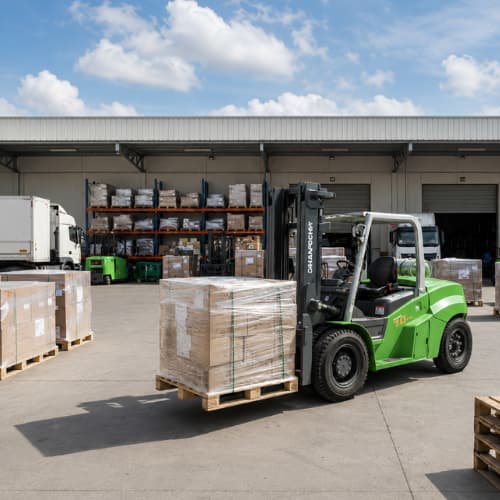
Should I Get an Electric, Gas or Diesel Forklift?
Choosing between an electric, gas or diesel forklift is a big decision. The forklift you should get will depend on whether it will be used indoors or outdoors, intermittently or continuously across shifts, and the lifting capacity your operations require. Inside a warehouse, where emissions are a concern, an electric forklift will keep your indoor air cleaner than gas or diesel models. However, if you prioritise low price of ownership, a gas forklift will demand far less upfront, maintenance and repair costs. What works for one will not necessarily work for another, so it is essential to thoroughly understand the benefits and drawbacks of each type of forklift before purchasing.

Why Buy an Electric Forklift?
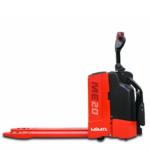
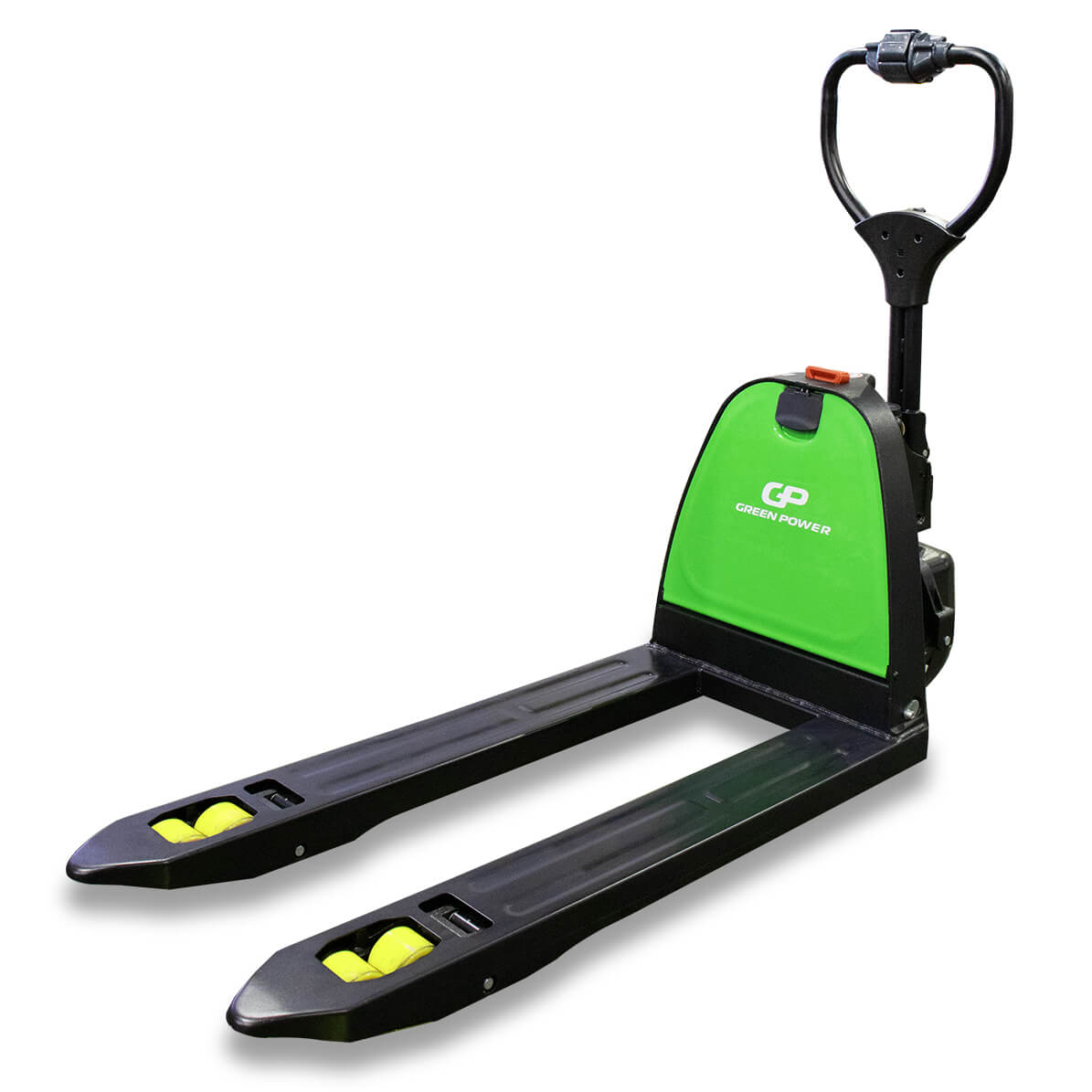
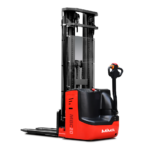
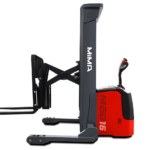
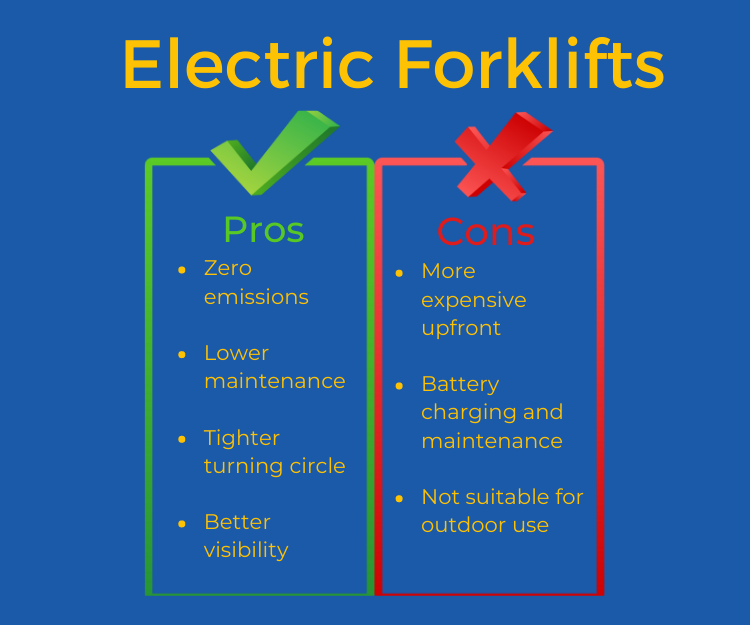
Electric forklifts are ideal for continuous indoor use. They expel only low levels of noise and no emissions, which keep the inside air clean of pollution, maintaining a comparatively cleaner environment than a gas or diesel forklift would. Another great benefit is that they incur significantly lower long-term maintenance costs due to their inner components using far fewer moving parts. Moving parts damage the internal system over time, rubbing together and corroding each other until they require replacement.
The repair costs that electric forklifts don’t necessitate as often as gas and diesel models are made up for in the upfront price. Electric forklifts require specialised charging infrastructure and ventilation. This is usually included with the forklift. But it can significantly increase the expense. Modern electric forklifts can be opportunity-charged and will not take as long as older models. But depending on the consistency of your operations, you may need multiple batteries to keep up with the demand.
Electric forklifts are less intense than diesel models, making them less suitable for heavy loads and ramp work. But, with developments in electric forklift technology, we will soon be seeing electric forklifts that match the capabilities of their diesel counterparts. For this same reason, they are limited in their functionality outdoors, not possessing the necessary features for rough, wet and uneven outdoor terrain.
Summary – You should purchase an electric forklift if your operations are primarily indoors and you do not transport oversized and heavy loads.

How to Calculate The Required Lifting Capacity of a Forklift?
To determine what lifting capacity your electric forklift needs to have, you must first identify the heaviest load you expect to lift. Then, measure the length of the load and the highest point of your racking. Remember, the forklift’s rated capacity (explicitly stated on the data plate) will decrease as the load moves further away from the mast.
The calculation for the minimum rated capacity of the forklift is as follows:
Maximum Load Weight x (Actual Load Centre ÷ Standard Rated Load Centre) = Required Rated Capacity.
You will find all of this information on the forklift’s data plate. So, if the maximum load you will lift is 1,500kg, and the actual load centre is 600mm, and the standard rated load centre is 500mm, the minimum rated capacity required will be:
1,500kg x (600mm ÷ 500mm) = 1,800kg

Why Buy a Gas Forklift?
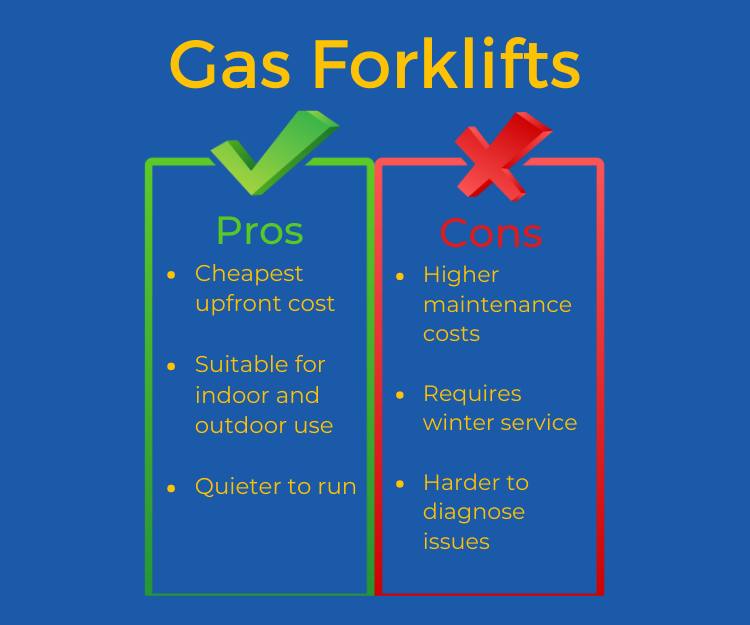
Gas forklifts are ideal for facilities requiring flexibility, as they operate indoors and outdoors equally as efficiently. LPG forklift models require no charging infrastructure, unlike electric models, and maintain their full power until the tank is empty. This means the forklift will feel no different to operate at almost no battery than it does when it has just been charged.
Another significant benefit of chargerless gas forklifts is that they can be refuelled quickly, requiring only the swapping of a fuel tank to restore them to full charge. This keeps your gas forklift running almost constantly, should you need it. It is important to note that the fuel tanks require a secure, designated storage area to protect them from damage and heat exposure.
Although gas forklifts can be safely operated indoors for extended periods, they do necessitate that your warehouse be well-ventilated. Gas forklifts produce emissions, and although cleaner than diesel, they still pose a risk of carbon monoxide poisoning to your employees. The way to mitigate this is to ensure that working carbon monoxide detectors are placed throughout your warehouse and checked regularly, and that your forklift is tuned properly. An incorrectly tuned forklift engine can emit extremely high concentrations of carbon monoxide while in operation, so you must ensure this is checked regularly.
A gas forklift’s internal combustion (IC) engine requires more attentive maintenance than an electric model, as it contains thousands of moving parts that wear out over time. But there are other components to consider. For example:
- Oil and filter changes are required every 250-500 operational hours to ensure the moving parts are lubricated and contamination-free.
- The cooling system must be checked, flushed and refilled to prevent the engine from overheating.
- The spark plugs must be replaced to keep fuel efficiency high and the engine firing properly.
- The air and fuel filters must be replaced and cleaned.
- The engine will need periodic adjustments to keep carbon monoxide emissions low.
- The manifold, muffler and catalytic converter within the exhaust system must be checked to remove exhaust gases efficiently.
- The transmissions need fluid changes.
- The clutch must be inspected and eventually replaced.
Summary – You should purchase a gas forklift if you need indoor and outdoor functionality and constant, mid-weight operation.

Diesel Forklifts
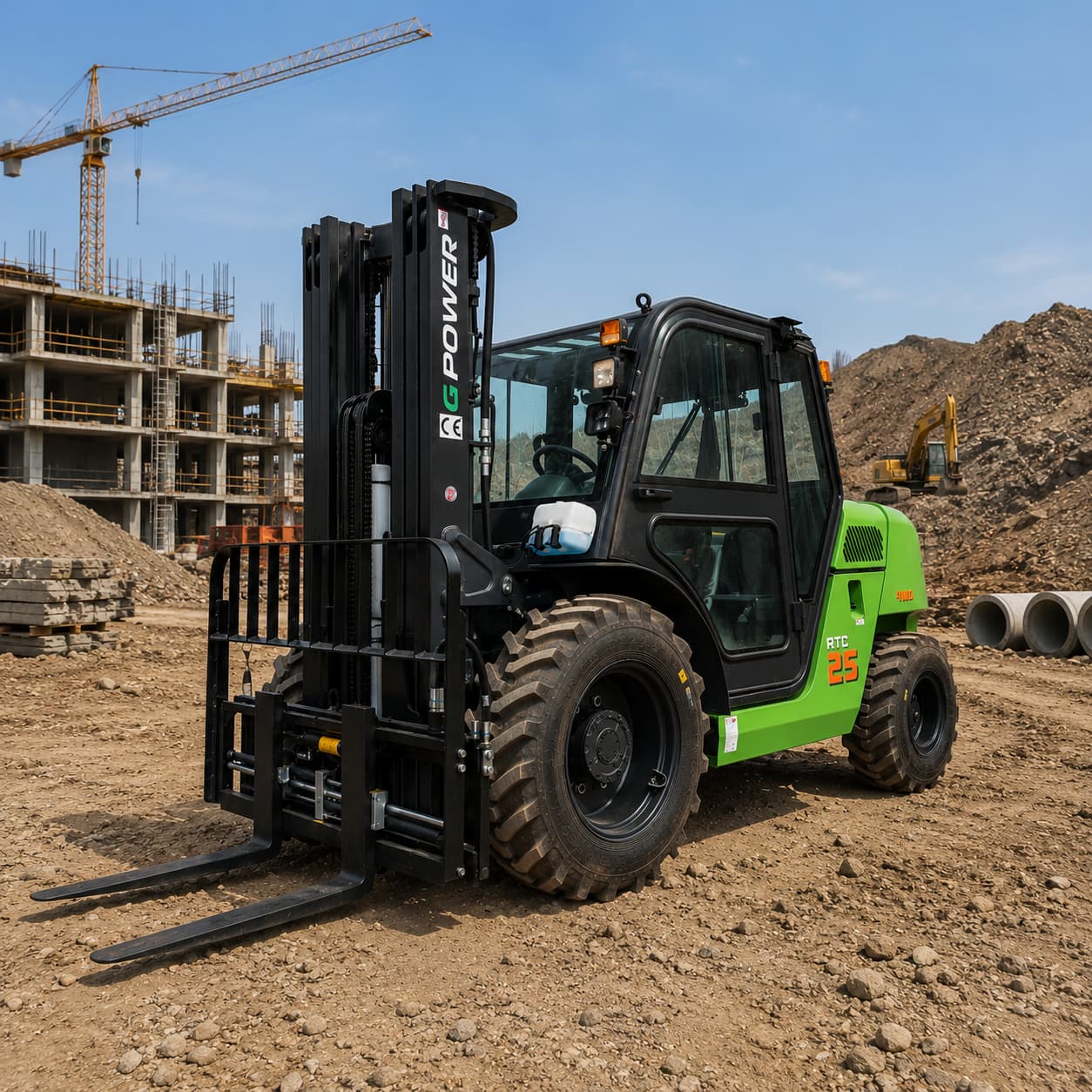
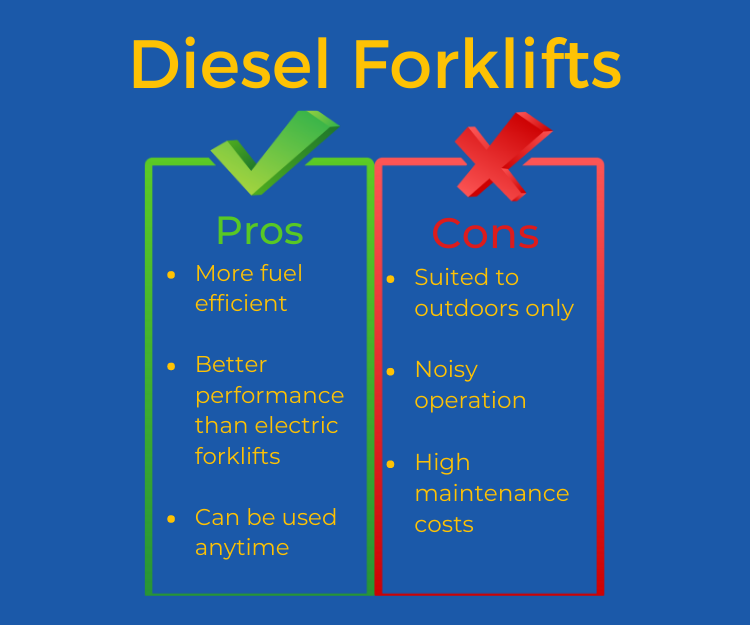
Diesel forklifts are robustly built for demanding applications involving heavy loads. They excel on rough, uneven terrain because they are usually larger than gas or electric models and use heavy-duty components. This allows them to lift loads weighing up to 40,000kg. But also makes them less manoeuvrable in smaller, indoor spaces.
Diesel forklifts can be refuelled quickly like gas models, except their tanks are built-in, unlike the exchangeable propane tanks in gas forklifts. This keeps your forklift consistently operational and significantly minimises downtime. It is important to note that only trained personnel can refuel a diesel forklift due to the dangers associated with the forklift’s build-up of static electricity, the flammability of the fuel and the potential for spills. Diesel forklift fuel contains high levels of carbon monoxide, which is expelled in the exhaust fumes and requires extra consideration during refuelling. This is also the reason diesel forklifts are less suitable for indoor applications than models which expel less carbon dioxide.
Carbon monoxide is the result of incomplete combustion, meaning the fuel does not burn perfectly. Although this is normal for diesel and gas engines, diesel forklift exhaust fumes contain much higher levels of carbon monoxide, so most diesel forklift models are strictly prohibited for indoor use.
Fortunately, diesel forklifts are specially designed and manufactured to provide the power, durability and ability to handle challenging environments. This means they can handle the heaviest loads, accelerate quickly with them, and easily up ramps. Diesel fuel is energy-dense, providing raw, dependable outdoor strength. They also use pneumatic tyres to navigate rough, unpaved surfaces, even in rain, snow and extreme temperatures. Electric forklifts are susceptible to temperature fluctuations, but it makes no difference to a diesel model.
Summary – You should purchase a diesel forklift if you need power to navigate rugged terrain and lift heavy industrial loads.

Purchase Gas, Diesel and Electric Forklifts at Trucks Direct
At Trucks Direct, we stock every type of forklift to take care of all of your operational needs. We are one of the UK’s largest independent suppliers of gas, diesel and electric forklifts, stocking models from globally recognisable brands to offer you peace of mind. Every forklift we offer includes a 12-month LOLER certification and has been thoroughly checked by our team to ensure your new (or used) forklift is ready to go from the minute it enters your facility.
Contact us today if you would like more information about which type of forklift would be best for your facility. Our experts will be happy to point you in the right direction and ensure all of your needs are met.
Which Will It Be?
You’ve seen all the pros and cons. Now, it’s time to make your choice.