












Your Essential Forklift Maintenance Checklist

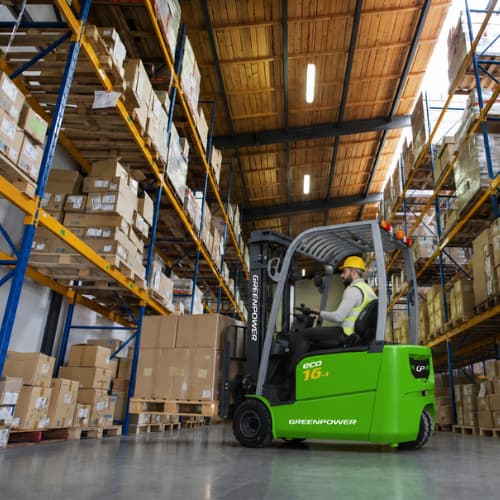
Every type of forklift has unique daily, weekly, monthly and annual maintenance requirements, covering the internal and external components. Keeping your forklift maintenance on a schedule will ensure it performs optimally and achieves its projected lifespan, not to mention preventing costly repairs and accidents. The preventative maintenance needed for electric forklifts varies significantly from the necessities of a diesel model. So, you must have a forklift maintenance checklist to hand, so you know what your forklift’s needs are.
Electric Forklift Maintenance Checklist
A competent person must inspect an electric forklift’s internal and external components daily, weekly, and monthly. Enlisting trained personnel to complete these checks is essential to ensure the forklift’s parts are thoroughly assessed and actions are properly logged.
Daily Checks
- Operational Checks – Manually test the parking and foot brakes, the steering wheel for smoothness and responsivity, and the horn, lights and warning alarms for operation.
- Controls – Ensure the lift, tilt, shift, and acceleration operate smoothly and return to the neutral position properly. Also, check that the gauges and indicators (hour meter and battery discharge indicator) are functioning correctly.
- Battery – Ensure the battery has no signs of cracking, bulging or swelling, and that the connectors and cables are securely attached and not discoloured. Also, check that the Battery Management System (BMS) is not reporting unusual temperature spikes.
- Fluids – Check for visible leaks of hydraulic fluid beneath the machine.
- Masts and Forks – Inspect for cracks, bends, broken welds or damage, especially at the heel, and ensure the forks are correctly locked.
- Tyres and Wheels – Inspect for cuts, tears, embedded debris and general wear, and test the wheel nuts for security. If your forklift uses pneumatic tyres, ensure they are adequately inflated.
- Safety Features – Check that the warning decals and data plate are legible. Also, check the overhead guard, load backrest, and seatbelt for proper security.
Completing these checks every day ensures none of these parts develops detrimental damage.
Weekly Checks
- Battery – Ensure the battery and terminals are clean and dry, the cables are in good condition, and the charging area is clean and well ventilated.
- Chains and Hoses – Visually inspect the lift chains and hydraulic hoses to ensure there is no wear, damage or leaking. Also, lubricate the mast chains according to the manufacturer’s recommendation.
- Tyres – Check the tyre pressure and condition.
- The Exterior – Clean the surface of the forklift to remove dirt and debris, as allowing build-up can cause overheating and affect operation.
Weekly electric forklift maintenance checks delve deeper into the vehicle’s components than daily checks and should also be conducted by a competent person.
Monthly Checks
- Battery – Perform a detailed inspection of the terminals and connectors for corrosion or rust. Inspect the charger unit to ensure all indicator lights function properly, and the output cable is undamaged. Also, check the data logged by the BMS to ensure that temperature readings are consistent, charge and discharge patterns are normal, and no unidentified error codes have been flagged.
- Hydraulic System – Inspect the hydraulic system’s hoses and cylinders for bulges, leaks and wear.
- Brakes – Check the brake pads are of adequate thickness and adjust the brakes if necessary.
- Steering – Ensure the steering linkage and components are in good condition to prevent excessive play, damage and leaks.
- Lubrication – Lubricate the chassis and all relevant mast components.
The monthly checks are more about system functionality than visual checks; this is a prerequisite to the annual professional maintenance appointment your forklift requires.
Yearly Maintenance Appointment
Think of your forklift’s annual maintenance appointment as an MOT. The inspection of the systems and internal components covered in this review can not and should not be conducted by anyone other than a certified technician. Any logs you have made throughout the year in your personal inspections and checks will be incredibly valuable to ensuring your forklift’s yearly maintenance appointment is as efficient as possible.
Some of the checks, repairs, and replacements your forklift may undergo in this appointment include:
- Complete dismantling and inspection of the hydraulic and brake systems and electrical wiring.
- Replacement of the hydraulic fluid and brake filters, gear oil and transmission.
- A load test to confirm the forklift’s lifting capacity and stability reflects the data plate information.
- In-depth examination of structural components, electrical systems and safety features.
- Inspection of the drive, hoist, steer, brushes and contactors.
- Calibration and update of the BMS.
- Voltage testing to verify the health and balance across the terminals.
- Deep cleaning of the battery to remove accumulated dust and grime.
Failing to schedule your annual forklift maintenance appointment can result in failure of critical components, increased risk of injury and fatality, and legal consequences. These professional appointments, titled Thorough Examinations, are enforced by regulatory bodies in the UK, including LOLER and PUWER. Non-compliance can incur significant fines, voiding of insurance, and significant legal action should an accident occur.

Gas Forklift Maintenance Checklist
Only competent personnel should inspect a gas forklift’s internal and external components. These checks, which electric and diesel forklifts are also subject to, should be conducted daily, weekly and monthly. Each inspection should be appropriately logged to ensure a paper trail for utmost safety and liability. Many of the maintenance requirements of gas forklifts are similar to those necessary for diesel and electric vehicles, but there are some important distinctions to be aware of.
Daily Checks
- Engine Fluids – Use a dipstick to ensure the engine oil is at the correct level. Also, check the coolant in the overflow and reserve tank to prevent overheating. During this check, you should also look for any visible engine, coolant or hydraulic fluid leaks beneath the machine.
- Fuel System – Ensure the propane is securely mounted and inspect it for damage, corrosion or leaks. You can identify leaks by listening for a hissing sound. Also, ensure the fuel lines and hoses are in good condition.
- Forks and Mast – Inspect the forks for cracks and bends, and the mast for broken welds or loose parts.
- Operational Tests – Ensure the steering, horn, service and parking brakes are smooth and responsive. Also, ensure no warning lights are on, and that audible alerts are active.
- Tyres and Wheels – Ensure the tyres have enough treads, no cuts, are debris-free, and that the wheel nuts are secure. If your tyres are pneumatic, check the pressure to verify they are inflated properly.
- Safety Features – Ensure the overhead guard, load backrest, and seatbelt are in good condition and properly secured.
These preventative measures deter unexpected accidents and breakdowns, which can be incredibly costly in these systems and components.
Weekly Checks
- Hydraulic System – Check the fluid levels and inspect the hoses and cylinders for leaks and abrasions.
- Chains and Mast – Ensure the lift chains have no kinks, that their tension is correct, and that the mast is not developing rust. You may have to apply lubrication to the chains to ensure they move smoothly.
- Engine Belts and Hoses – Inspect the engine belts to ensure their tension is correct and their condition is good. Also, check the cooling system for bulging and brittleness.
- Transmission Fluid – To accurately determine your gas forklift’s transmission levels, immediately do so after operation so the engine is still warm, or while the forklift is still on.
- Exhaust System – Check the manifold, muffler and tail pipes for signs of wear or leaks.
Weekly gas forklift maintenance checks delve deeper into the vehicle’s components than daily checks and should also be conducted by a competent person.
Monthly Checks
- Engine Oil and Filters – Replacing these components monthly is crucial to ensure the internal combustion engine of a gas forklift continues to function correctly.
- Air Filter – Inspect, clean, and replace the air filter (if necessary). If your working environment is especially dusty, the air filters may require more frequent replacement to prevent the build-up of detrimental debris.
- Ignition and Spark Plugs – Clean and replace these components if necessary, as their failure can lead to inefficient combustion and complete engine breakdown.
- Battery – Check the terminals for corrosion and clean them thoroughly; also, check the water levels and cable connections to ensure they are in good, working condition.
- Brake Fluid – Check the brake fluid reservoir level to ensure continuous safe operation.
- Lubrication – Lubricate all the chassis components, mast pivots, and steering linkage points to keep the components running smoothly.
These monthly checks focus less on visual inspection and more on system functionality and performance.
Yearly Maintenance Appointment
Yearly gas forklift maintenance appointments are a necessary legal requirement of owning a forklift. These checks dig deeper into the components and systems of your forklift and are conducted by certified professionals. This appointment is called a Thorough Examination, and failure to schedule it on time can incur legal proceedings and fines under LOLER and PUWER. The necessity for a Thorough Examination comes from the higher potential for accidents, injuries, and fatalities when a faulty or failing forklift is allowed to operate.
Some of the checks, repairs, and replacements your forklift may undergo in this appointment include:
- The replacement of all fluids and filters. This starts a clean slate for the next year of operation.
- Flushing the cooling system and replacing the engine coolant.
- Inspecting the radiator for blockages or leaks.
- Disassemble all components of the brake system for replacement.
- Checking the steering axle and wheel bearings to guarantee responsive and reliable steering.
- Comprehensively tuning the engine, including compression checks, valve lash inspections and assessing the timing and idle speed.

Diesel Forklift Maintenance Checklist
Due to the risks of carbon monoxide associated with diesel forklifts, only trained, certified personnel should perform any corrective maintenance on a diesel model. A diesel forklift’s engine is far more robust than those found in petrol and electric models, and the hydraulic system is more sophisticated to meet the demands of their applications. This means the expertise required to maintain a diesel forklift is inherently higher.
Daily Checks
- Engine Fluids – Turn the forklift off, wait for the engine to cool, and check the oil level using a dipstick.
- Coolant – Check the level in the overflow tank.
- Brake Fluid – Inspect for visible leaks beneath the machine.
- Fuel – Visually check the fuel lines for leaks to ensure the level is as it should be.
- Air Intact – Inspect the air filter intake restrictor gauge to ensure there are no blockages.
- Forks and Mast – Visually inspect the forks for bends and cracking, and the mast assembly for broken welds and loose components.
- Operational Tests – Ensure the steering is smooth and responsive, that the horn, lights and warning alarms are working, and that the service and parking brakes are functional.
- Tyres and Wheels – Ensure the tyres have enough tread and check for cuts or embedded debris. If your diesel forklift uses pneumatic tyres, check the air pressure.
- Exhaust – Ensure the forklift isn’t expelling an excessive or unusual amount of smoke and fumes.
Weekly Checks
- Hydraulic System – Check the hoses and cylinders for leaks and abrasions, and ensure the fluid levels are adequate.
- Chains and Mast – Ensure the lift chains have no kinks or rust, and they are set to the proper tension. Apply lubricant to the chains and mast channel to ensure they are running smoothly.
- Engine Belts and Hoses – Check the belts for cracks and fraying, and ensure they are set to the proper tension. Also, check the cooling system hoses for bulging and brittleness.
- Transmission Fluid – Check the manufacturer’s manual of your specific diesel forklift to determine whether this step should be done with the engine running or off.
- Battery – Inspect the starting battery terminals for corrosion, ensure the water level is adequate and that all cable connections are in good condition.
Monthly Checks
- Engine Oil and Filters – Change the engine oil entirely and replace the filter every month to maintain the health of your diesel engine.
- Air Filter – Replace the main engine air filter to prevent the build-up of debris that can lead to overheating.
- Fuel System – Drain the fuel water separator to minimise water accumulation. When water is allowed to rise in the fuel system, it can have a detrimental impact on the diesel injectors.
- Lubrication – Lubricate all chassis components, linkage points and mast pivots.
- Brake adjustment – Ensure the brakes are properly adjusted to prevent free play and ensure the handbrake tension is correct.
Yearly Maintenance Appointment
Some of the checks, repairs, and replacements your forklift may undergo in your professional Thorough Examination include:
- The replacement of hydraulic fluid, transmission, fuel strainer element and all associated filters.
- Flushing of the cooling system and replacement of the fluid.
- Inspection of the radiator for blockages and leaks.
- Disassembling the brake components, replacing worn parts and brake fluid.
- Comprehensive engine tuning, including a compression check and fuel injection system.
- Inspection of the steering axle and lubrication of the drive hubs and wheel bearings.