


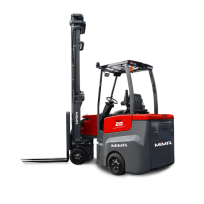
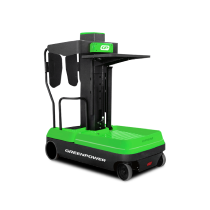


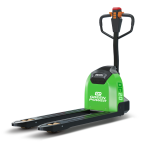
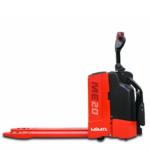

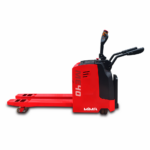























Standard and high voltage forklift batteries differ in power output, runtime capability, charging behaviour and application suitability. While both are designed to power electric forklifts, the voltage of the battery directly affects performance and operational capacity. Selecting the correct battery power ensures productivity remains high and long-term operating costs are controlled.
Understanding the distinction is essential before purchasing or upgrading your electric forklift.
What is a Standard Voltage Forklift Battery?
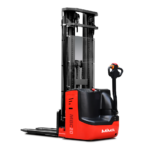
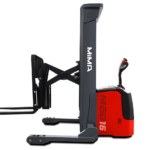
A standard voltage forklift battery typically operates at 24v, 36v or 48v. These systems are commonly fitted to pallet trucks, stackers, reach trucks and lighter duty counterbalance forklifts operating in general warehousing environments.
Standard voltage batteries are designed for predictable workloads and single-shift operations. They provide sufficient torque and lift performance for routine material handling without placing excessive strain on the electrical system.
Both lead-acid and lithium-ion battery options are available, however lithium-ion models are increasingly preferred due to reduced maintenance and faster charging capabilities.
What is a High Voltage Forklift Battery?
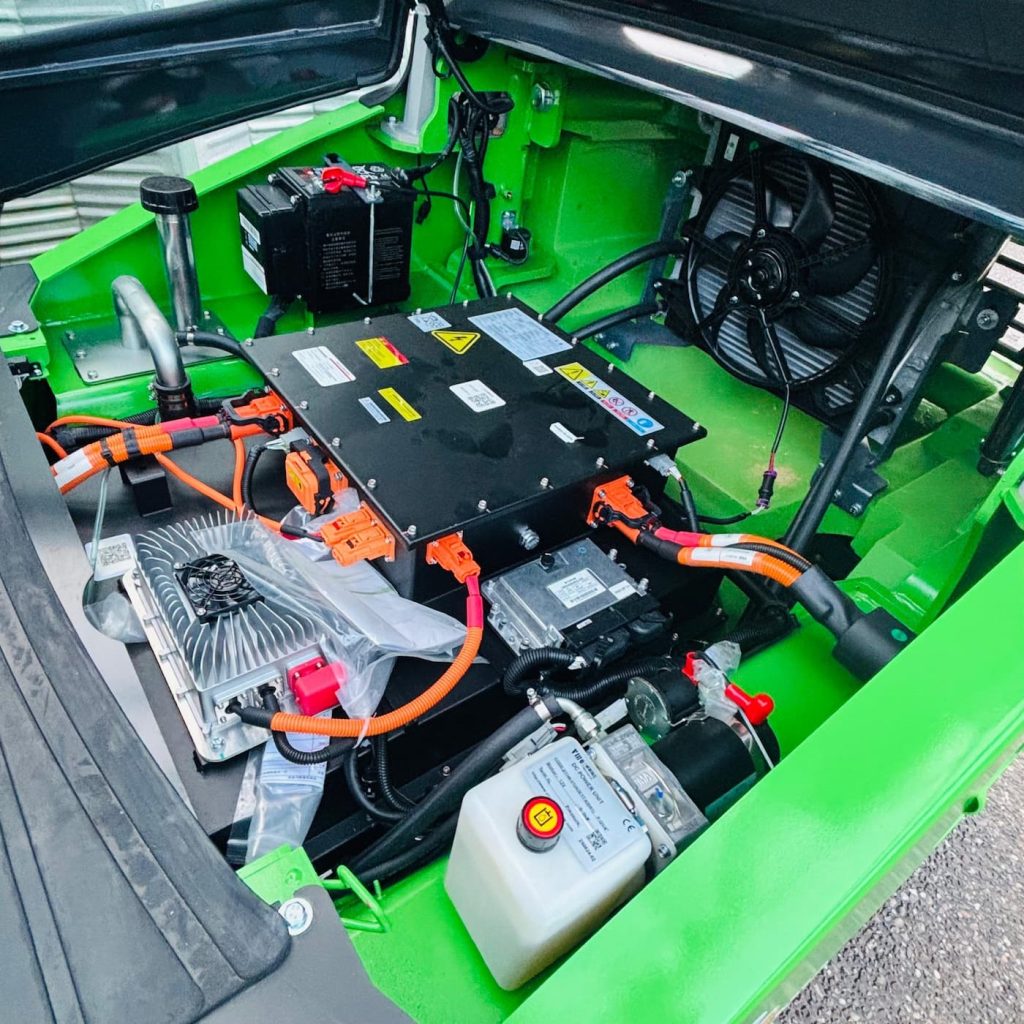
A high voltage forklift battery typically operates at 72v or higher, with some batteries operating at over 150v. These systems are commonly installed in heavy duty forklifts and industrial trucks where sustained performance and heavy load lifting is essential.
High voltage batteries are engineered to deliver greater torque and maintain power output during demanding applications. These batteries are often paired with advanced AC drive motors to maximise efficiency under load and reduce electrical strain during operation.
How Does Voltage Affect Forklift Performance?
The level of voltage influences how efficiently energy is transferred from the battery to the motor. Higher voltage systems require less electrical current to generate the same power output, which improves efficiency and reduces wear and tear within cables and components.
In operational terms, high voltage forklifts typically:
- Maintain consistent lift speeds under load
- Deliver stronger acceleration
- Experience less voltage drop during continuous use
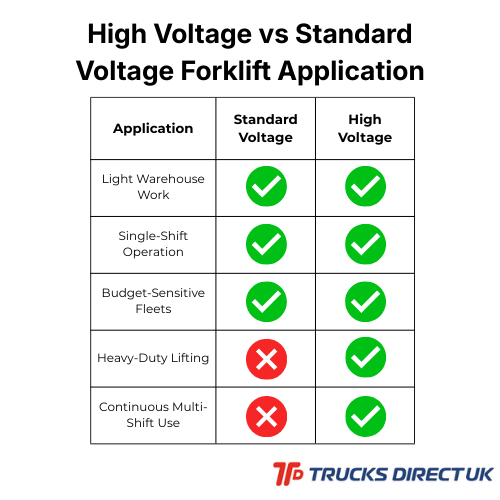
Standard voltage systems remain effective for moderate workloads. However, when consistently pushed to capacity, performance may become less consistent and efficiency will decrease.
How Does Battery Voltage Affect Runtime and Charging
Standard voltage batteries are generally suited to shorter operations with consistent charging cycles.
Forklifts with high voltage batteries are better suited to intensive and multi-shift operations. These typically enable faster charging and maintain stable output throughout demanding working periods.
As a general rule-of-thumb, if you require continuous operation with consistent output, higher voltage forklifts may be a more suited option. The correct choice depends on workload intensity rather than preference alone.
Maintenance Requirements for Electric Forklifts
Maintenance requirements for electric forklifts vary more by battery chemistry than voltage alone. Unlike traditional lead-acid batteries, lithium-ion forklifts do not need strict maintenance, but they do have some recommended requirements, including:
- Physical inspection to check for damages, swelling or corrosion
- Use only manufacture-approved chargers
- Keep batteries away from extreme temperatures, both hot and cold
- Annual inspection by a qualified technician
High voltage lithium-ion systems rely on Battery Management Systems (BMS) to monitor voltage balance, temperature and charge cycles. While they require less manual intervention, inspection remains important.
Forklift Voltage Safety Considerations
When deciding on the voltage capacity of your electric forklift, it’s important to consider the safety, as well as performance. Higher voltage systems present increased electrical risk if mishandled. Only trained and competent people should carry out maintenance or operation.
Employers must ensure:
- Proper lock-out procedures are followed
- Insulated tools are used when required
- Equipment remains compliant under PUWER
Electric Forklifts for Sale at Trucks Direct
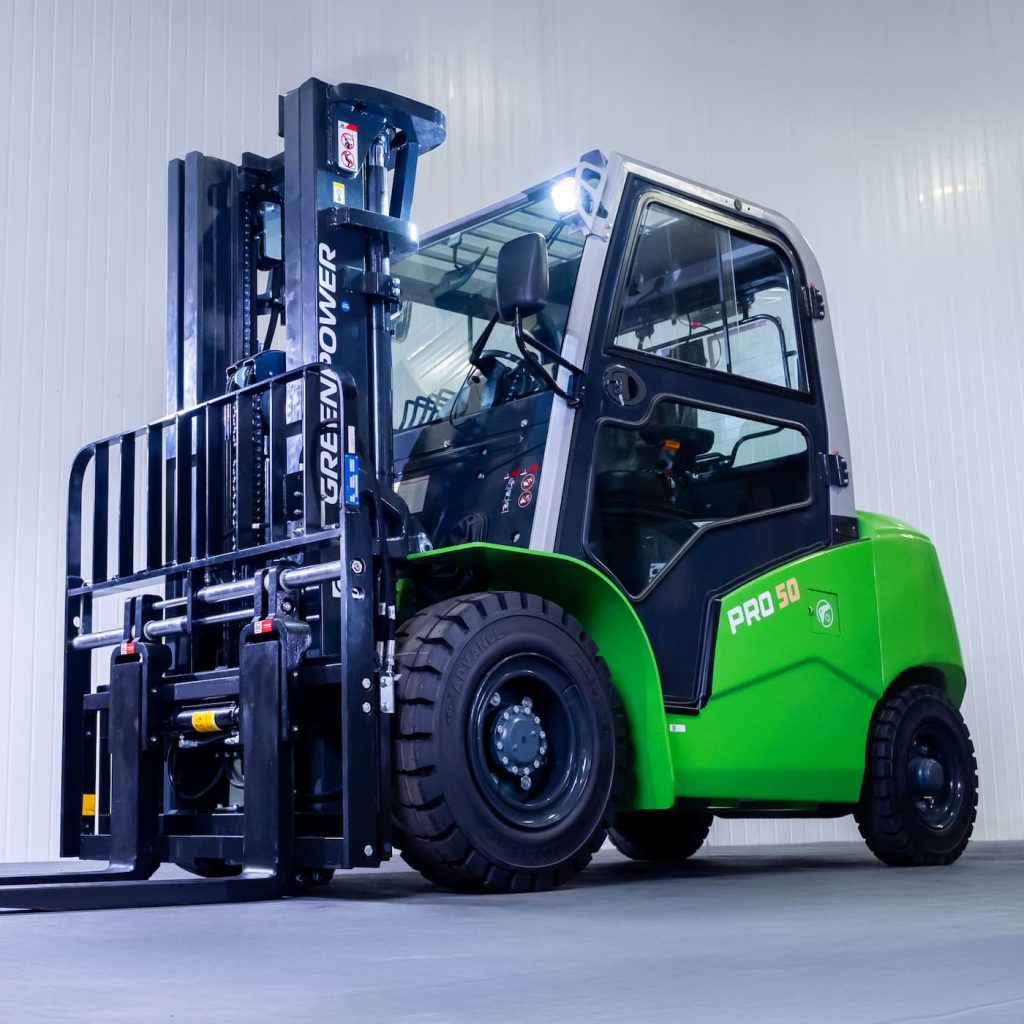
If you are considering upgrading your electric forklift fleet, Trucks Direct can help.
As one of the UK’s largest independent suppliers of new and used forklifts, we stock a wide range of electric models suitable for both standard and high voltage applications. Every forklift undergoes a thorough examination and receives a 12-month LOLER certification prior to delivery.
With competitive pricing, flexible finance options and up to 2 years’ warranty available, you can purchase with confidence. Contact our team today to discuss which electric forklift and battery system is most suitable for your operation.